
How Economic Indicators Shape Today’s Mortgage Rates

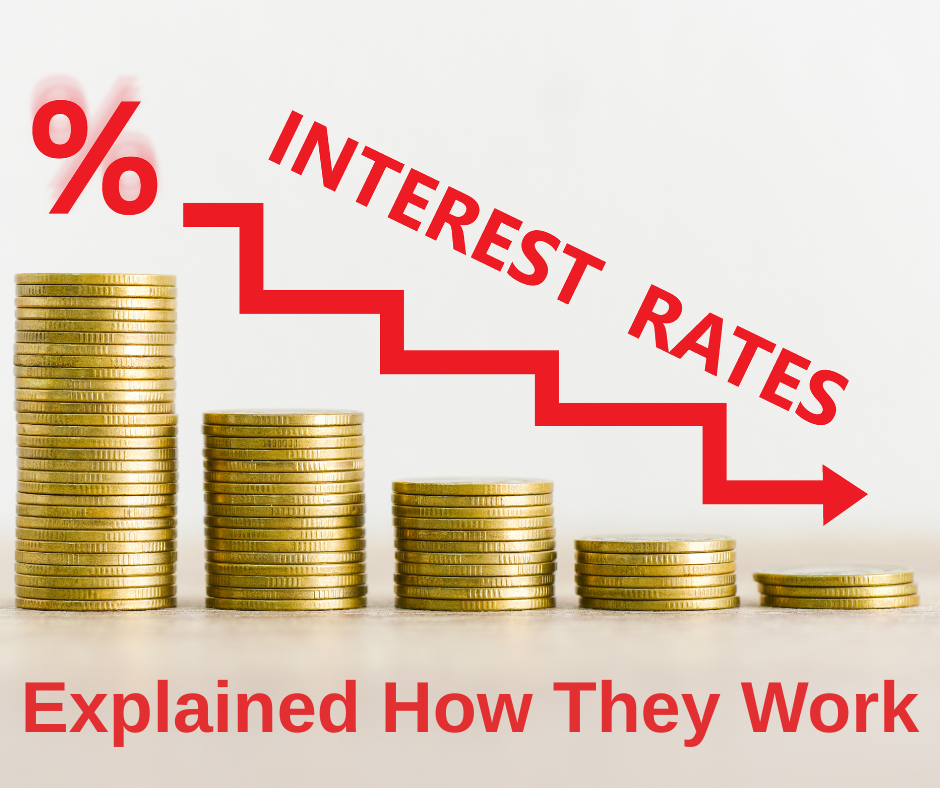
Mortgage rates are influenced by a mix of economic indicators and financial instruments, including:
Understanding the Basics: What Are Mortgage Rates?
At its core, a mortgage rate is the interest you pay on the money you borrow to purchase a home. Even a small change in this rate can mean thousands of dollars in savings or extra costs over the life of your loan. So, what causes these rates to move?
The Economic Pulse: Key Indicators to Watch
- Inflation: When prices for goods and services rise, lenders need higher interest rates to keep up with the decreasing value of money. Higher inflation usually means higher mortgage rates.
- Employment Numbers: Strong job growth signals a healthy economy, which can lead to higher spending and, eventually, higher rates. Weak job reports can have the opposite effect.
- Gross Domestic Product (GDP): Higher GDP growth suggests a robust economy, often pushing rates up. Slower growth can help keep rates down.
- Federal Reserve Policy: The Fed doesn’t set mortgage rates directly, but it does influence them by setting the federal funds rate and buying or selling government securities. When the Fed raises rates or signals concern about inflation, mortgage rates often rise in response.
- Bond Markets: Mortgage rates tend to follow the yield on the 10-year U.S. Treasury note. When investors flock to bonds (often during uncertain times), yields drop—and so do mortgage rates. When confidence returns and investors leave bonds, yields and rates can climb.
Real-Life Example: The Pandemic Rollercoaster
Think back to 2020, when the COVID-19 pandemic hit. The Fed slashed its benchmark rate, and investors rushed to the safety of government bonds. Mortgage rates plummeted to historic lows, making homeownership more affordable for millions. As the economy recovered and inflation concerns grew, rates started to climb again—showing just how connected rates are to broader economic trends.
What Does This Mean for You?
While you can’t control the economy, understanding these indicators can help you make smarter decisions about when to lock in a mortgage rate or refinance. Watching economic news, especially reports on inflation, jobs, and Fed meetings, gives you clues about where rates might be headed.
In the end, mortgage rates are a reflection of the economy’s health and investors’ confidence. By keeping an eye on these key indicators, you’ll be better prepared to navigate the ever-changing landscape of home financing.
Categories
Recent Posts










"Molly's job is to find and attract mastery-based agents to the office, protect the culture, and make sure everyone is happy! "
GET MORE INFORMATION